
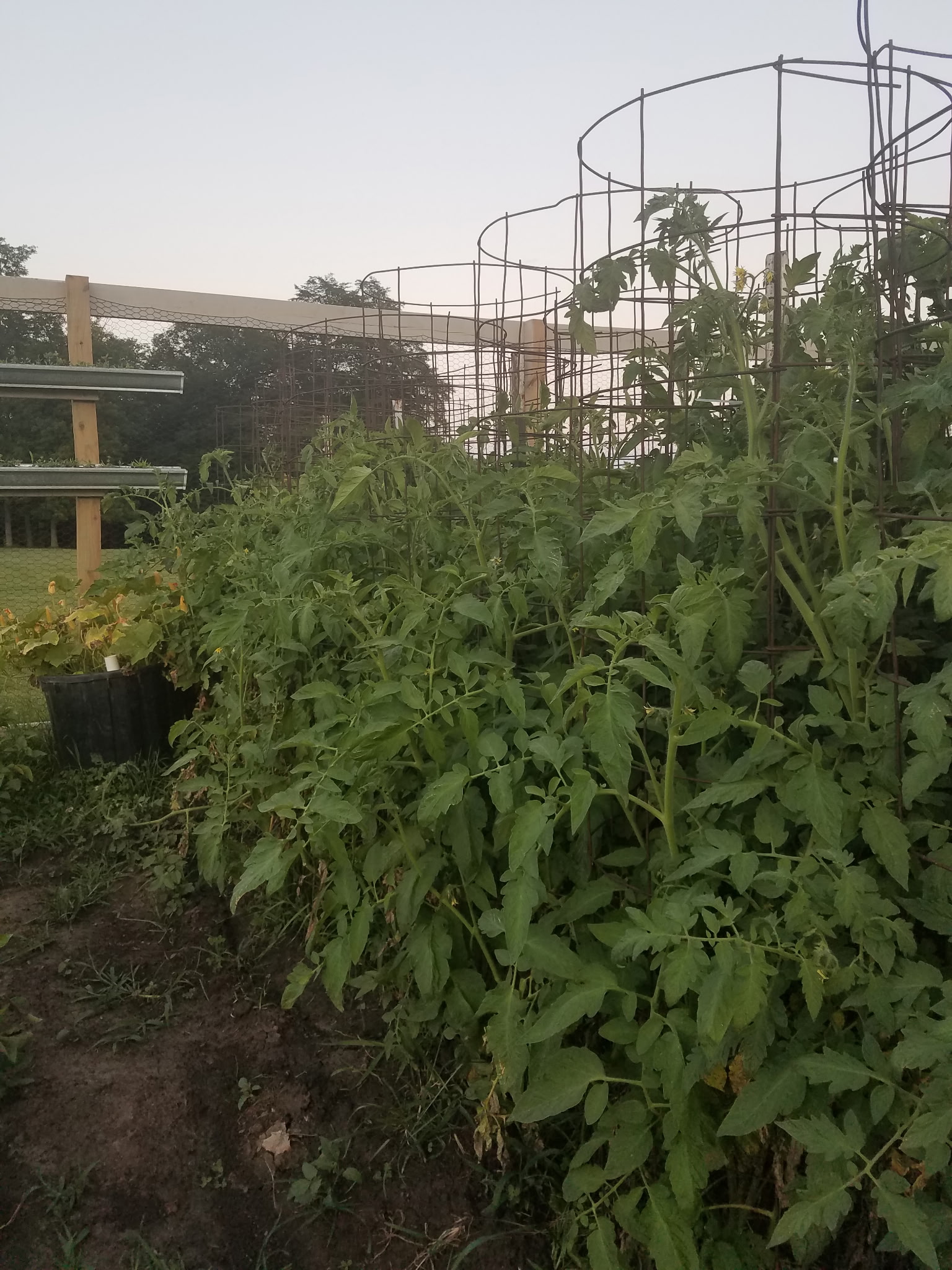

All About Tomatoes
There’s something deeply grounding about growing tomatoes. Maybe it’s the way they start as fragile little sprouts and end the season heavy with sun-warmed fruit. Or maybe it’s because they’re one of the few plants that can take you from spring’s quiet home all the way into fall’s cozy retreat. Whatever the reason, tomatoes have a way of rooting us—not just to the soil, but to a slower, more intentional way of living.
If you’re dreaming of slicing into a homegrown tomato or pulling a jar of garden-fresh sauce from your pantry in the dead of winter, you’re in the right place. Whether this is your first season or your tenth, let’s walk through everything you need to know to grow a tomato crop that serves your needs—and brings you joy along the way.
Step One: Choose the Right Variety (and the Right Intention)
Slow Living Tip: Choose varieties that match your lifestyle. Low-maintenance cherry tomatoes might be best if your garden time is limited. If you love cozy canning sessions, try sauce tomatoes like Amish Paste.
- Fresh Eating: Cherry or slicing varieties
- Sauces & Preserving: Paste tomatoes like Roma or San Marzano
- A Bit of Both: Mix and match based on your kitchen goals
| Variety | Type | Best For | Days to Maturity |
| Amish Paste | Paste | Sauce, canning | 80-85 days |
| San Marzano | Paste | Rich sauces | 80-90 days |
| Better Boy | Slicer | Fresh eating | 70-75 days |
| Roma | Paste | Preserving, dicing | 75-85 days |
| Sweet 100 | Cherry | Snacking, salads | 65-70 days |
Step Two: Understand Growing Days, Zones, and When to Plant
- Start Indoors: 6–8 weeks before last frost
- Transplant Outdoors: 1–2 weeks after last frost
- Days to Maturity: 60–100+ depending on variety
Step Three: Plan for Space (and the Joy of a Well-Designed Garden)
Spacing Guidelines:
- In-Ground: 18–36 inches apart
- Between Rows: 3–4 feet
- Containers: Minimum 5-gallon pots
Don’t forget to plan for trellising, cages, or stakes—especially for indeterminate varieties, which keep growing and producing all season long.
Step Four: Companion Plants and Garden Harmony
Companion planting isn’t just practical—it’s a way of creating a mini-ecosystem where your plants support each other.
Best Buds:
- Basil
- Marigolds
- Garlic
- Carrots
Enemies:
- Corn
- Potatoes
- Broccoli & cabbage
Step Five: Tomato Maintenance and Daily Rhythm
- Watering: Consistent deep watering 1–2 times a week
- Pruning: Remove suckers from indeterminate varieties
- Feeding: Balanced fertilizer every 2–4 weeks
- Mulching: Helps conserve moisture & suppress weeds
Spending 15 minutes in the garden every morning—watering, checking progress, plucking a few weeds—can become a peaceful, sacred start to your day.
Step Six: Harvesting and Preserving the Fruits of Your Labor
Tomatoes are ready when they come off the vine with a gentle tug. If you’re preserving them, pick at peak ripeness for the best flavor.
Ways to Use Fresh Tomatoes
- Caprese salad with basil and fresh mozzarella
- Roasted cherry tomatoes for pasta
- Garden-fresh tomato soup
Preservation Options
- Canning (whole, diced, or sauced)
- Freezing (raw or roasted)
- Drying for tomato chips or powder
Want to learn more?
- Gardening 101: Things to Consider Before Getting Started
- How Much Time Do I Want to Spend in My Garden?
Final Thoughts: Grow Tomatoes, Grow Intention
In the end, this isn’t just about tomatoes. It’s about presence. It’s about the slow joy of watching something grow because you showed up for it every day. It’s about tasting the difference in something that grew in your soil, under your care.
So wherever you are—balcony or backyard, seedling or seasoned—plant those tomatoes. Take a breath. And start where you are.
Leave a Reply