
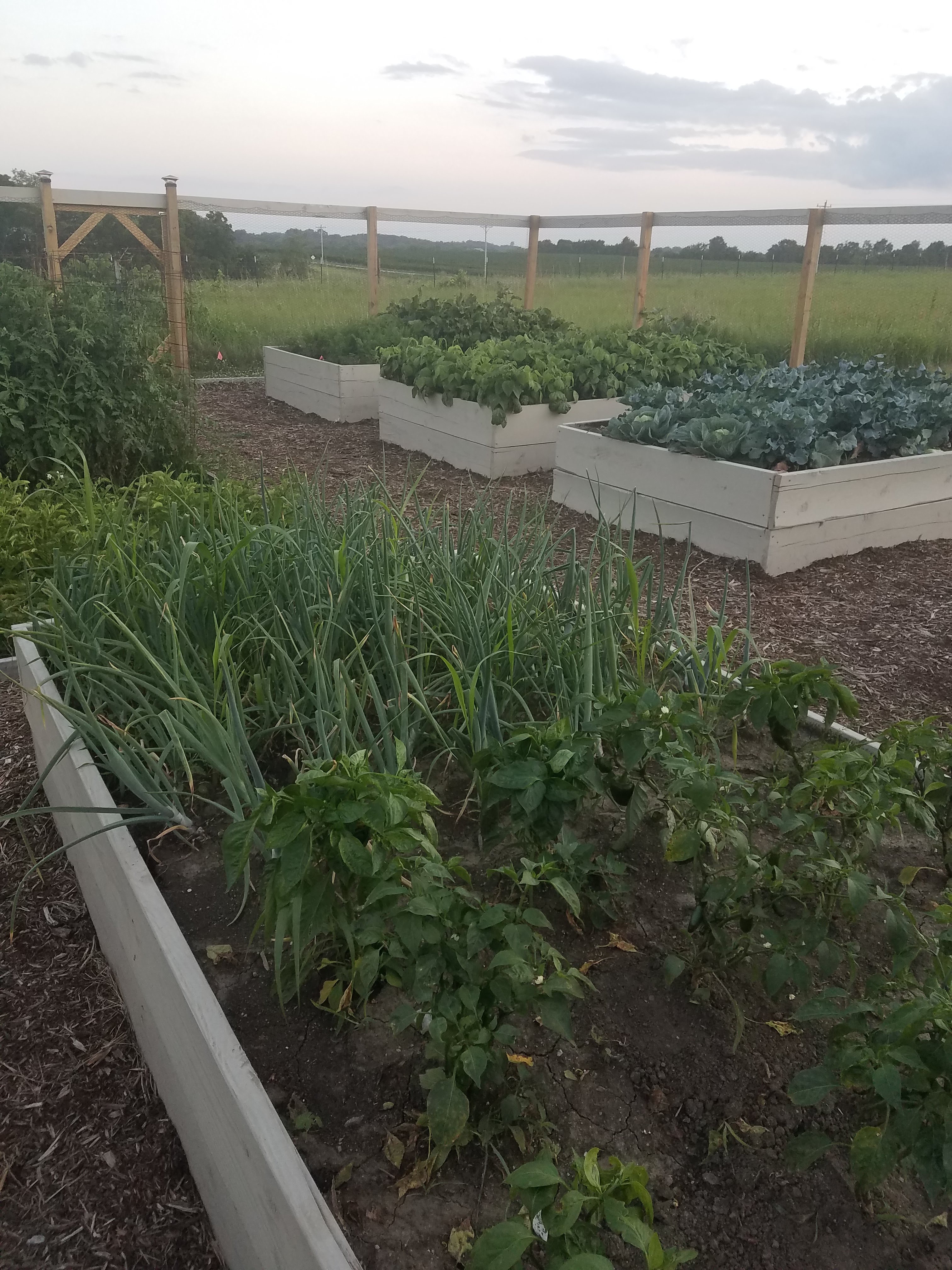

How Much Space Do I Need for My Garden?
There’s a common misconception about homesteading: that you need acres of land to start living a more self-sufficient life. But here’s the truth—homesteading is a mindset, not a measurement.
At its core, homesteading simply means living more intentionally, and doing what you can to provide for yourself. That might look like:
- Raising chickens
- Making your own jam
- Turning compost
- Harvesting rainwater
- Or even just cleaning your home with natural, homemade cleaners
So sure, maybe you can’t raise a coop of chickens on a third-floor apartment balcony—but you can start a container garden, or learn how to preserve produce from a local farmers market.
Whether you have 300 acres or 3 square feet, gardening can be part of your lifestyle. You just need to think practically about your space. Let’s walk through four space-focused decisions that will help you get started:
Decision #1: What Fruits, Vegetables, or Flowers Will I Grow?
Different plants need different types of space to thrive:
- Vertical growers: Tomatoes, cucumbers (great for small horizontal space)
- Sprawlers: Strawberries, squash (they take up surface area fast)
- Container-friendly: Peas, lettuce, radishes (perfect for patios and balconies)
- In-ground only: Asparagus, artichokes (require deeper soil and more permanence)
Also consider sunlight and shade needs. Some crops crave full sun, while others do better in partial shade. And don’t forget to research companion planting. Some plants grow better in pairs, while others can inhibit each other’s growth if planted too close.
Decision #2: How Many of Each Plant Do I Need?
Here’s where size and layout really matter. Some crops—like carrots or radishes—do well when sown close together. Others, like tomatoes or zucchini, need more elbow room.
If you over- or under-space your plants, you may limit your yield or invite disease or pests. Check plant spacing guides for each crop before you start sketching out your layout—even in raised beds or containers.
Decision #3: What Planting Schedule Will I Follow?
Limited space doesn’t mean limited harvests.
With smart planning, you can maximize output by:
- Planting in succession: Grow a spring and fall crop in the same space (like lettuce followed by garlic)
- Rotating crops annually: Dedicate your space to different plants each year to replenish soil nutrients
- Timing your planting based on Hardiness Zone: Know your frost dates and seasonal length to make the most of your space
Decision #4: Eat Fresh, Preserve, or a Bit of Both?
Let’s ditch the “all or nothing” mindset.
If your space only allows for a small batch of herbs or a single tomato plant, that’s still a win. If you’ve got room to grow and preserve for winter, amazing. But don’t let the scale of your garden define your success.
Homesteading is about intentionality—and even the joy of eating a sun-warmed cherry tomato straight from your container garden counts as progress toward a more self-sustaining life.
Final Thoughts
Whether you’re gardening from a third-story balcony or a freshly-tilled acre, your space doesn’t limit your ability to begin. It just helps shape what’s possible for you this season.
Start where you are. Use what you have. And most importantly—find joy in the process.
Leave a Reply